About
Prototype Machined Components
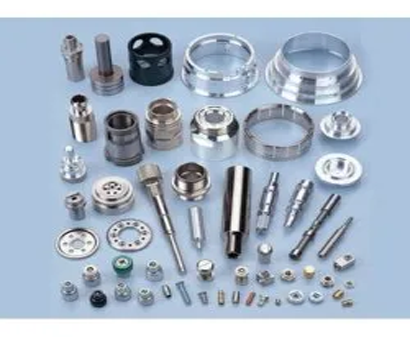
Prototype machined components are specialized parts manufactured during the prototyping phase of product development to validate design concepts, functionality, and performance before full-scale production. These components are typically produced using machining processes such as CNC milling, turning, or additive manufacturing techniques like 3D printing. Here's an overview of prototype machined components and their key features:
Proof of Concept: Prototype machined components serve as physical representations of design concepts, allowing engineers, designers, and stakeholders to visualize and evaluate product ideas in a tangible form. They help validate the feasibility of the design, identify potential design flaws or improvements, and iterate on the concept before committing to mass production.
Quick Turnaround: Prototype machined components are produced with short lead times to expedite the product development process. Machining processes like CNC milling and turning offer rapid turnaround times compared to traditional manufacturing methods, allowing for quick iterations and adjustments based on feedback and testing results.
Enquiry Now 
 Pune - 411026, Maharashtra
 Call Us 24/7 - +91 9765567813