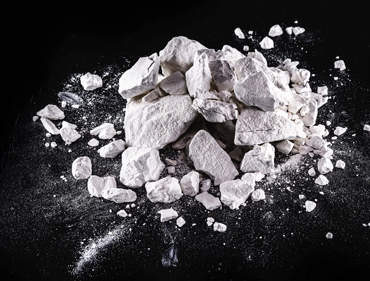
Calcined dolomite, also known as burnt dolomite, is produced by heating dolomite (a carbonate mineral composed of calcium magnesium carbonate) to a high temperature, driving off carbon dioxide. This process creates a material with high reactivity and numerous industrial applications due to its chemical composition of calcium oxide (CaO) and magnesium oxide (MgO). ### **Uses of Calcined Dolomite** - **Metallurgy:** Calcined dolomite plays a critical role in the steelmaking process, where it is used as a flux to remove impurities such as sulfur and phosphorus from the molten metal. It also helps protect refractory linings in furnaces and is used in the production of magnesium from dolomite ore. - **Agriculture:** In agriculture, calcined dolomite is used to neutralize acidic soils, improving soil pH and providing essential nutrients like calcium and magnesium. This enhances crop yields, promotes healthier plant growth, and improves soil structure. - **Water Treatment:** Calcined dolomite is utilized in water treatment processes to adjust the pH levels of water and remove impurities such as heavy metals. - **Construction Materials:** In the construction industry, calcined dolomite is used in the production of cement and lime. It improves the quality of construction materials, making them more durable and resistant to weathering. - **Environmental Applications:** Calcined dolomite is employed in flue gas desulfurization to remove sulfur dioxide from exhaust gases, helping to reduce pollution and emissions from industrial processes. ### **Advantages of Using Calcined Dolomite** - **Improves steel quality** by acting as a flux in metallurgy - **Enhances soil health** and crop productivity in agriculture by neutralizing soil acidity and supplying key nutrients - **Environmentally friendly** solution for pollution control in water treatment and flue gas desulfurization - **Cost-effective and versatile**, with broad applications across multiple industries Calcined dolomite is a highly reactive material that serves critical functions in industries such as metallurgy, agriculture, construction, and environmental management, contributing to improved product quality and sustainability.