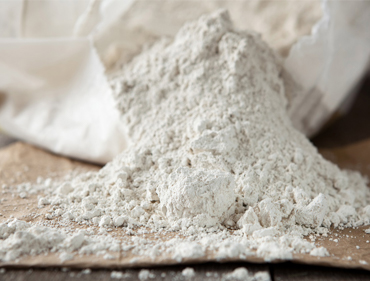
Diatomaceous earth is a naturally occurring, soft sedimentary rock made from the fossilized remains of diatoms, a type of hard-shelled algae. It is rich in silica and known for its high porosity, abrasiveness, and absorbency, making it an incredibly versatile material for various industrial and consumer applications. ### **Types of Diatomaceous Earth:** - **Food Grade Diatomaceous Earth:** Safe for consumption, this type of DE is commonly used in agriculture, animal feed, and even as a natural insecticide. - **Industrial Grade Diatomaceous Earth:** Used in industrial processes, including filtration, filler applications, and as a mild abrasive in products such as paints and cosmetics. ### **Uses of Diatomaceous Earth** - **Pharmaceuticals:** DE is used as an excipient in tablet manufacturing due to its absorbent properties, helping to bind ingredients and improve consistency. - **Cosmetics & Personal Care:** Diatomaceous earth is used as an exfoliant in skincare products, improving texture and removing dead skin cells. It also enhances absorption in powders and creams. - **Soap & Detergents:** Diatomaceous earth is added to soaps and cleaning agents to act as a mild abrasive, improving cleaning efficiency without damaging surfaces. - **Paper Manufacturing:** DE is used as a filler in paper, where it enhances brightness, increases opacity, and improves print quality by smoothing the paper surface. - **Ceramics:** Diatomaceous earth helps increase thermal resistance and structural integrity in ceramic production, making it useful for products exposed to high temperatures. - **Agriculture:** As a natural insecticide, DE is used to control pests in grain storage and on crops. It is also used in livestock feed to prevent parasitic infestations and improve digestive health. - **Pesticides:** DE is employed in pest control for its desiccant properties, effectively dehydratng and killing insects without the use of toxic chemicals. - **Plastics & Rubber:** DE is used as a filler in plastics and rubber products to increase their strength, reduce weight, and enhance overall performance. - **Paints & Coatings:** In paints, diatomaceous earth functions as a matting agent, improving texture and enhancing durability and resistance to cracking. - **Refractories:** Diatomaceous earth is valued for its high thermal resistance, making it an ideal material for use in refractories and heat-resistant applications. - **Feed Carrier:** In animal feed, DE is used as a carrier to evenly distribute active ingredients, prevent clumping, and promote better digestion in livestock. - **Food Industry:** DE is used as an anti-caking agent and natural preservative in foods, helping to keep products dry and prevent spoilage. - **Filter Aid (Petroleum and Oil Filtration):** Diatomaceous earth is widely used as a filtration medium in the oil and petroleum industry. Its porous structure makes it ideal for filtering impurities and improving the clarity of liquids, including oils, beer, and wine. ### **Advantages of Using Diatomaceous Earth** - **High absorbency** makes it useful in filtration and moisture control applications - **Non-toxic and environmentally friendly**, suitable for use in food, agriculture, and personal care products - **Increases strength and stability** in industrial materials like plastics, ceramics, and paints - **Effective natural insecticide**, safe for crops, animals, and storage environments - **Excellent filtration aid**, especially in oil, petroleum, and beverage industries - **Cost-effective filler and carrier**, improving performance and quality of end products Diatomaceous earth is a multi-functional material that enhances the quality and performance of products across diverse industries, from pharmaceuticals and cosmetics to agriculture, plastics, and filtration systems.