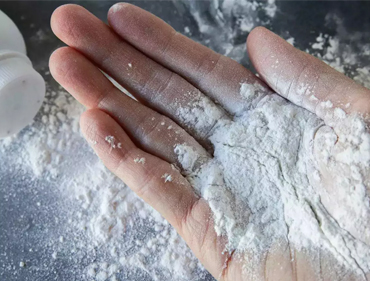
Talc is a naturally occurring mineral composed of hydrated magnesium silicate. It is the softest mineral on the Mohs hardness scale, giving it a unique range of uses across various industries. Talc’s smoothness, chemical inertness, and ability to absorb moisture make it a versatile ingredient in many applications. ### **Types of Talc:** - **Industrial Grade Talc:** Used in industries such as ceramics, paint, and plastics due to its chemical stability and reinforcing properties. - **Cosmetic Grade Talc:** Ultra-pure talc that is used in cosmetics, personal care products, and pharmaceuticals, ensuring safety and smoothness for sensitive applications. ### **Uses of Talc** - **Pharmaceuticals:** Talc is used as a filler and lubricant in tablets, helping to improve the consistency and prevent sticking during manufacturing. It also acts as a binding agent in pill formulations. - **Cosmetics & Personal Care:** Talc is used in products such as powders, blushes, and foundations, where it improves texture, absorbency, and skin feel. It helps control moisture and provides a silky finish. - **Soap & Detergents:** Talc adds smoothness and softness to soap formulations, enhancing their feel on the skin. It also helps stabilize fragrances. - **Paper Manufacturing:** Talc is used as a filler in paper to improve its smoothness, opacity, and printability. It also helps reduce friction during the paper-making process. - **Ceramics:** In ceramics, talc acts as a flux, lowering the firing temperature and improving the strength and finish of ceramic products. - **Agriculture:** Talc is used as a carrier in pesticides and fertilizers. It helps ensure even distribution of the active ingredients and reduces clumping. - **Pesticides:** Talc is a safe, inert carrier in pesticide formulations, ensuring a smooth, even application and improving product efficiency. - **Plastics & Rubber:** Talc is added as a filler in plastics and rubber to increase stiffness, improve heat resistance, and enhance the overall performance of these materials. - **Paints & Coatings:** Talc is used in paint to improve matting, smoothness, and resistance to corrosion and cracking. It enhances adhesion and durability in coatings. - **Refractories:** Due to its high-temperature resistance and chemical inertness, talc is used in the production of refractory materials, providing thermal stability in harsh environments. ### **Advantages of Using Talc** - **Softness and lubricity**, improving texture and ease of application in cosmetics and pharmaceuticals - **High chemical inertness**, making it suitable for sensitive applications such as medicines and personal care products - **Excellent moisture absorption**, keeping products dry and improving their durability - **Enhances strength, heat resistance, and performance** in plastics, ceramics, and refractories - **Cost-effective filler** for various industries, improving the quality and consistency of end products Talc is a highly versatile mineral that enhances the performance, texture, and durability of products in industries ranging from pharmaceuticals and cosmetics to paints, plastics, and ceramics